 Chat on WhatsApp




APM exam format (Sept 2026 to June 2027 study guide)
| Part | What it contains | Marks |
|---|---|---|
| Section A | One case study: 40 technical marks + 10 professional skills marks | 50 |
| Section B | Two scenario questions of 25 marks each: 20 technical + 5 professional skills marks in each | 50 (2 x 25) |
| Total | All questions compulsory | 100 |
| Pass mark | 50% | |
| Time | Computer-based exam | 3 hours 15 minutes |
Section A is usually set as a report to the board or senior management, and it tests all four professional skills. In Section B, one question always comes from syllabus area C and the other from area D. Both use areas A and B as their base.
What the APM syllabus covers
- A. Strategic management and value creation: how an organisation's mission, goals and strategy shape the way it measures performance.
- B. Performance optimisation: methods to manage and improve performance. Area A and area B together feed the Section A case study.
- C. Performance reporting: judging management reports, charts and narrative commentary, spotting where numbers or words could mislead, and writing a commentary yourself.
- D. Data science and technology for performance and insights: data analytics, including new topics such as regression analysis, machine learning and AI, and advising on what a data model's output means.
- E. Professional skills: analysis and evaluation, scepticism, commercial acumen and communication. These carry 20 of the 100 marks.
- F. Employability and technology skills: working in the exam's word processor, spreadsheet and presentation slides.
Where marks are lost in APM
- Answer the measure that was asked for. A question asked for KPIs to measure the threat of new entrants. Many candidates gave market share measures, which measure rivalry. The right measures were barriers to entry or market growth. APM tests how you measure and manage a model, not a full five forces write-up (examiner's report, March/June 2026).
- Check your EVA working line by line. Few EVA answers were fully correct. Common misses were the lost tax relief on interest, leaving prior-year R&D and advertising out of capital employed, and using the pre-tax cost of debt in WACC. The examiners advise starting from operating profit (examiner's report, March/June 2026).
- Lay out calculations neatly and open the report properly. Professional skills marks for the calculation went for a clear, professional layout, not for accuracy, and most candidates scored poorly here. Many also lost communication marks because they did not write a short introduction to the Section A report (examiner's report, March/June 2026).
- Stick to the exact requirement in Section B. Asked for drawbacks of benchmarking, many wrote about advantages or did a full benchmarking exercise. Told to assess a bonus scheme on clarity, controllability and motivation (Fitzgerald and Moon), answers not built around those three criteria lost marks. Candidates who planned against the exact requirement scored well (examiner's report, March/June 2026).
How our APM mocks work
- Pick your plan: Every Chapter Test Series (a test for every chapter and 2 full mock exams), Part-wise Test Series (5 part tests and 2 full tests), Full Syllabus Mock Tests (2 full tests) or Every Chapter Series + Mentor. All questions are original, written by our faculty in the current exam pattern, not ACCA past papers.
- You attempt each mock under timed conditions and upload your answers.
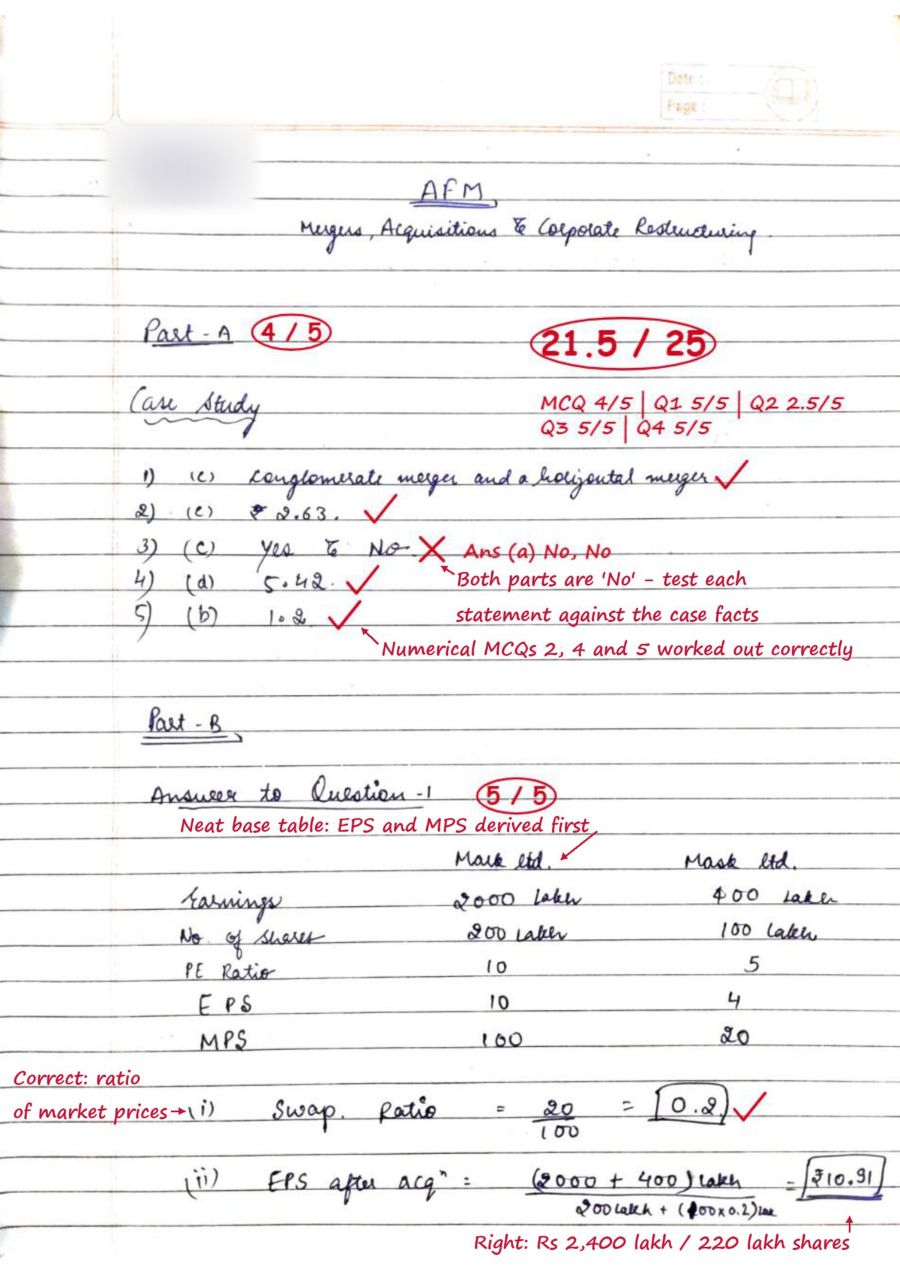
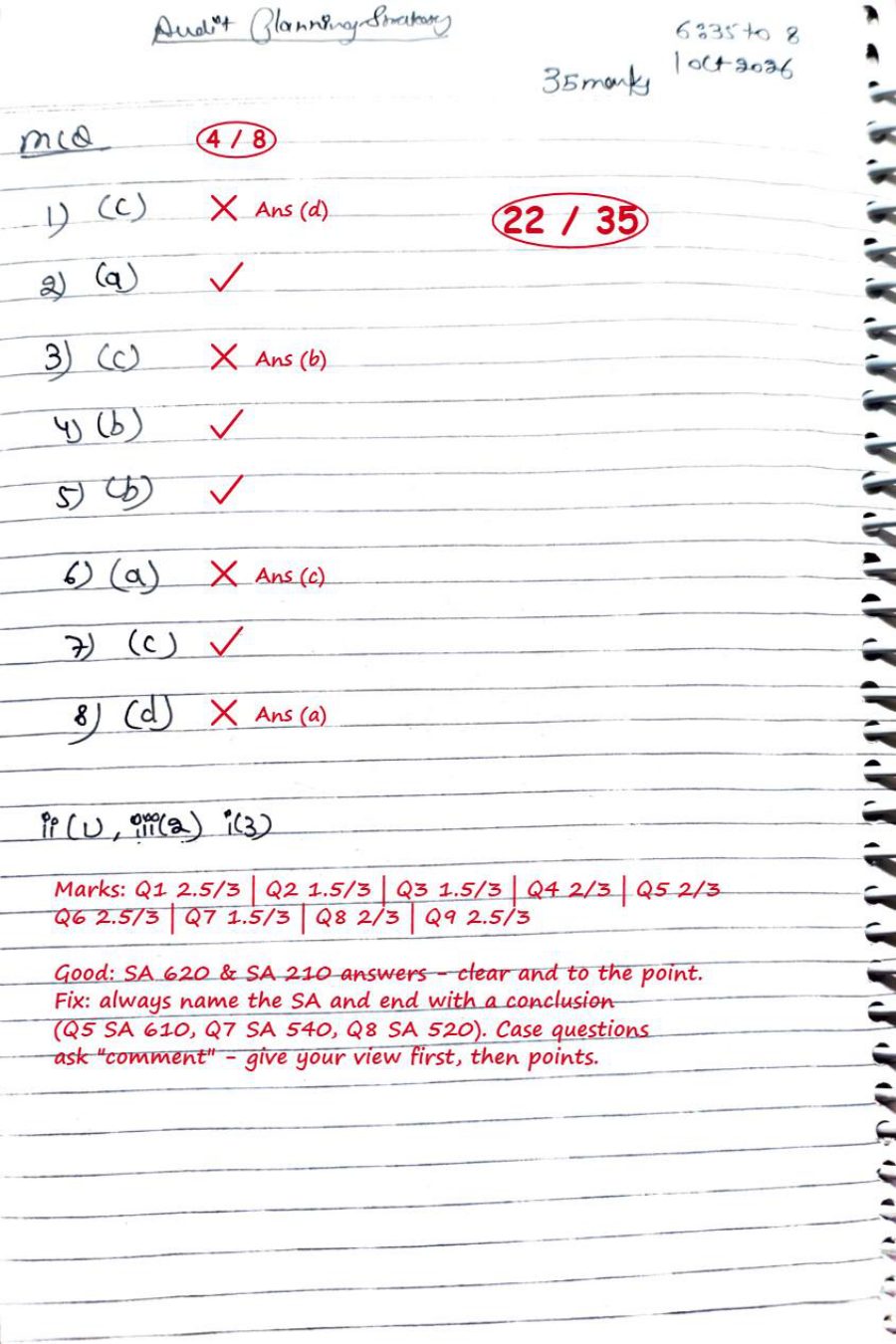
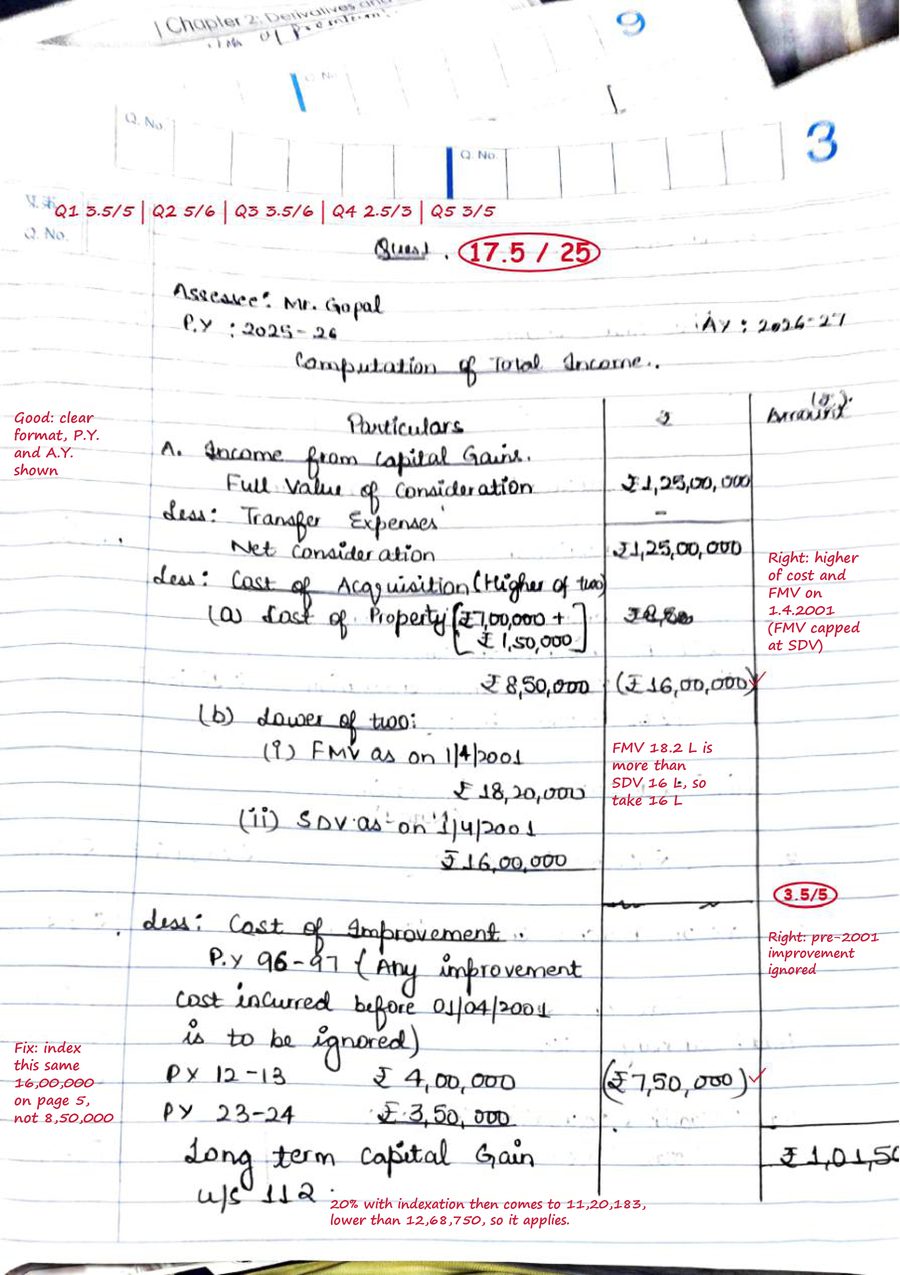
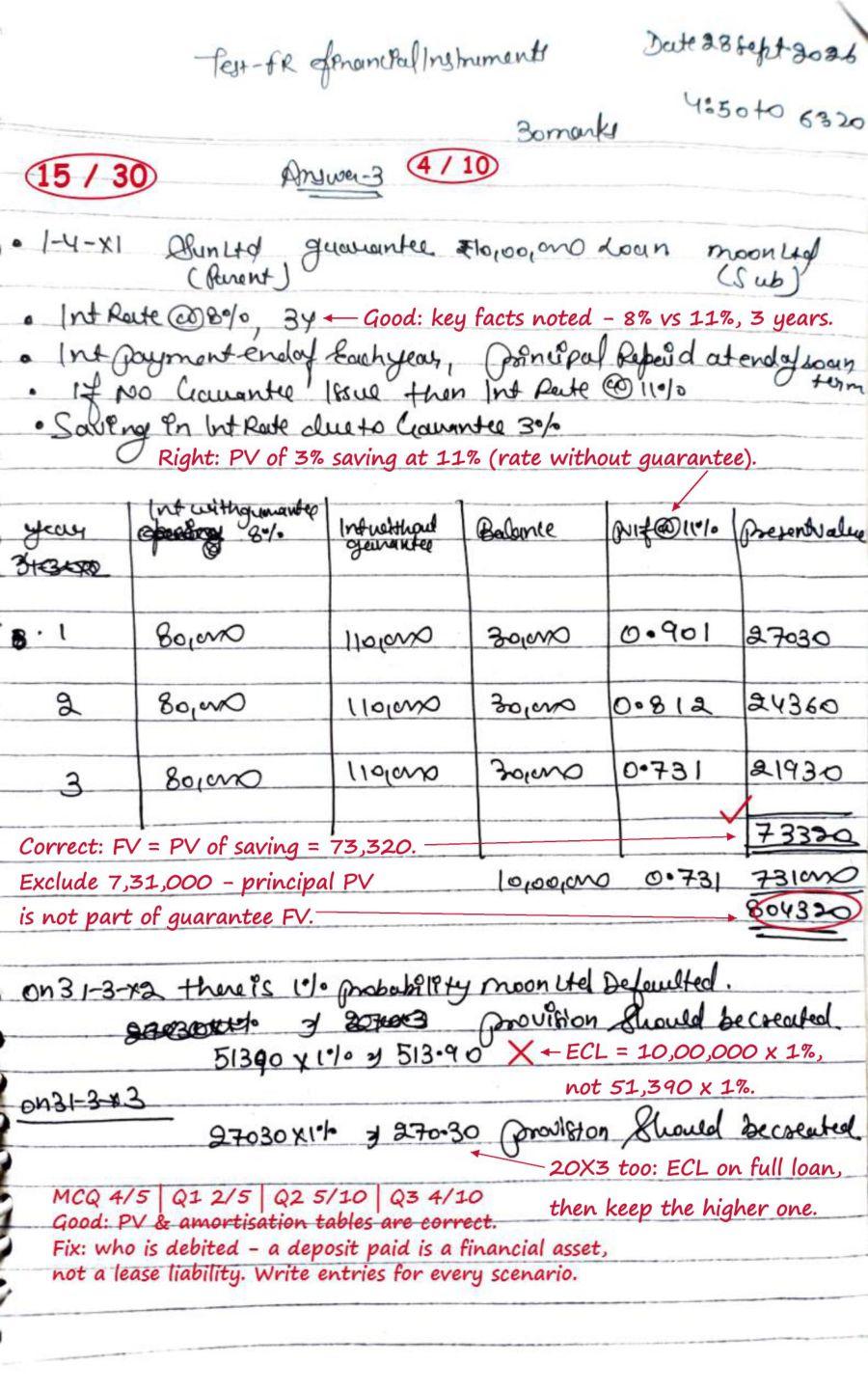
- Our faculty check your script within 48 hours of upload. You get marks for each question and comments on what cost you marks.
- If you have doubts on your checked mock, our faculty answer them.
- On the Every Chapter Series + Mentor plan, a mentor builds a week-by-week plan to your sitting and reviews your mock results with you.
What happens to APM in September 2027?
June 2027 is the last sitting of the current APM exam. From September 2027, ACCA moves to a new structure, and an APM pass carries across as credit for SPI Performance and Insights Professional. Under the new structure you need only 1 option at Strategic Professional.